

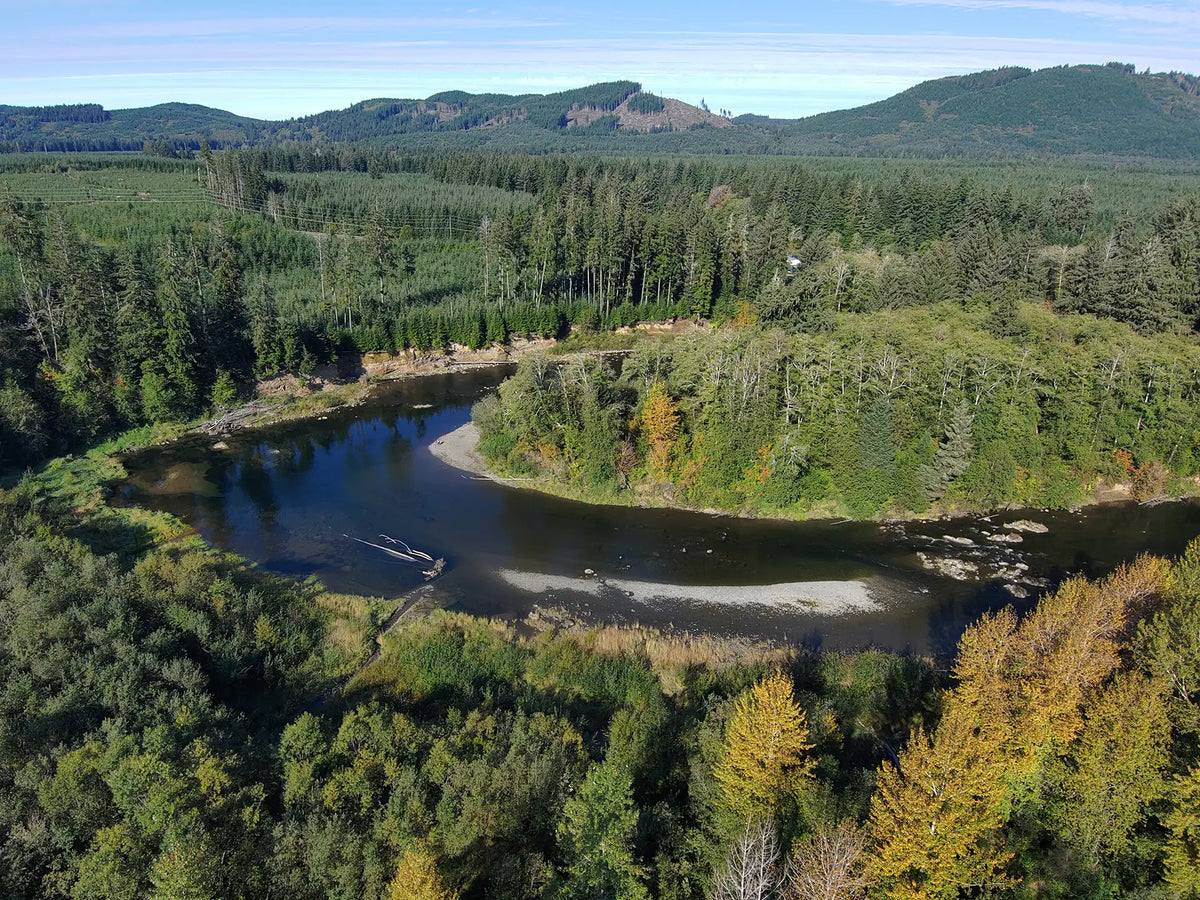
Fishing the Sol Duc River near Forks
Deep in Washington's rainforest country, the Sol Duc River has earned a reputation as one of the Olympic Peninsula's premier steelhead and salmon fisheries. It's a river that rewards anglers willing to work for it, offering wild, healthy runs and the kind of moss-draped, old-growth scenery that makes every trip feel like an adventure, not just a fishing outing. While floating the river in a drift boat or raft requires expert-level skill, shore fishing options are abundant and a number of professional guides are available for hire.
Where is the Sol Duc River
The Sol Duc River flows about 78 miles west through the Olympic Peninsula, starting in the Olympic Mountains within Olympic National Park and Olympic National Forest before winding through the broad Sol Duc Valley toward the coast. Near Forks, Washington it joins the Bogachiel River to form the Quillayute River, which reaches the ocean at La Push. The river runs through classic Olympic Peninsula rainforest, dense, green, and often misty, with a mix of national park water upstream and more accessible public and private land downstream near the town of Forks. Highway 101 runs fairly close to the river for much of its course, making bank access more practical here than on some of its neighboring rivers.
From Seattle, reaching the Sol Duc is a genuine peninsula trip, typically 3.5 to 4 hours depending on your route, either by taking the Bainbridge or Kingston ferry and following Highway 101 around through Port Angeles, or driving the long way around Hood Canal via Highway 101 without a ferry. It's one of the farther destinations in this guide series, but the Sol Duc's reputation as one of the healthiest wild steelhead rivers in the Pacific Northwest draws anglers from across the state and beyond.
Sol Duc River Map
What you can catch in the Sol Duc River
The Sol Duc is genuinely special among Olympic Peninsula rivers, supporting all five species of Pacific salmon along with resident and sea-run cutthroat trout. It's the only tributary in the Quillayute system that holds a run of spring Chinook, and it also sees fall Chinook, sockeye in June and July, and both a summer and fall coho run, with the upper river considered prime coho spawning water. Winter steelhead are the river's headline fishery, supported by some of the healthiest wild steelhead stocks left in the region, alongside a smaller summer steelhead run. Because wild fish are such a priority on this river, regulations around retention, gear restrictions, and closed sections are detailed and change often, so confirming current WDFW rules before any trip is not optional here.

Sol Duc River Fishing Seasons
Spring brings the tail end of winter steelhead, which can still be found in the river well into April, overlapping with the arrival of spring Chinook starting in March and building through mid-April. This overlap of two strong fisheries makes spring one of the more exciting windows on the Sol Duc, especially for anglers hoping to swing into either species in the same outing. Flows are typically still elevated from winter rains and snowmelt, so timing a trip around stable weather helps. Float fishing with bobbers and a cured salmon roe/sand shrimp cocktail is the go-to technique for Springers, but also twitching jigs and back-trolling bait divers, spin-n-glo and sand shrimp will get you bit.
Summer shifts the focus to summer steelhead, generally running from June through September, along with sockeye passing through in June and July and the notably early summer coho run that returns in August and September, ahead of most other Olympic Peninsula coho runs. The upper river within Olympic National Park, reached via Sol Duc Hot Springs Road, opens for the summer season and offers good trout fishing for sea-run and resident cutthroat and rainbow trout. The river tends to run clear and stable in summer, making it a comfortable season for wading and covering water. Finesse fishing with a bobber and steelhead jig or soft bead is a great way to approach the Sol Duc during the summer, but don’t discount the effectiveness of swinging a Steelhead Slammer Spinner through the many boulder pockets the river offers.
Fall brings salmon fishing into full swing, with coho continuing into October and November alongside a fall Chinook run. Coho enter the river with the rain, and fly anglers in particular consider the period right after a good rain event to be prime time for coho on the Sol Duc. This is also when guided salmon trips on the Olympic Peninsula rivers pick up, with October and November drawing anglers from around the region for a shot at some of the state's best fall salmon runs. The Blue Fox Vibrax Spinner is probably the best lure for Sol Duc fall salmon, but you’ll also be successful with twitching jigs, bobber and bait, or back-trolling Kwikfish in higher flows.
Winter is when the Sol Duc truly shines. Winter steelhead fishing generally runs from January into April, drawing dedicated anglers willing to brave cold water, short days, and harsh weather for a shot at wild rainforest steelhead alongside a run of hatchery fish. Because the Sol Duc starts high in the mountains and is one of the first Olympic Peninsula rivers to clear after a storm, it's often the most reliable, fishable option in the region during the wettest months, which is part of why it's frequently recommended as the best starting point for anglers new to Olympic Peninsula steelhead fishing. Steelhead jigs fished under a bobber is a great way to pick apart all the holding water between the boulders. Once the wild fish show up, steelhead worms are a great way to target the trophies.

Sol Duc Falls in the upper watershed. Olympic National Park.
Best Fishing Spots on the Sol Duc River
The Sol Duc Salmon Hatchery, and Whitcomb Dimmel are widely used starting points, offering multiple WDFW access sites, parking, and clear paths to the water that make it easy to find good water without deep local knowledge. Much of the river can be reached from pullouts along Highway 101, which runs close to the river for a good stretch of its lower and middle sections. Upstream, the Sol Duc Hot Springs Road provides access into the national park water, open during the summer season and known for its trout fishing. Because the river's water speed and structure change frequently, from tighter pocket water to longer runs with easier gradient downstream, a drift boat lets experienced anglers cover more ground, though novice boaters are generally advised to stick to bank fishing or hire a guide for their first trip.
Fishing on the Sol Duc River
The Sol Duc is a river that rewards patience and adaptability. Its pocket water and shifting currents mean short, well-placed casts often outperform long ones, and switch or spey rods are popular for covering water efficiently. Because this river carries such significant wild steelhead value, regulations change often, including gear restrictions, bait rules, wild release requirements, and occasional emergency closures tied to low flows or weak returns, so checking the current WDFW regulations and any in-season updates before every trip is essential. For a first Olympic Peninsula steelhead trip, many local guides recommend starting here, since the Sol Duc tends to be the most consistent river in the area, the last to blow out after heavy rain and the first to clear again. Come prepared to work for it, and the Sol Duc offers some of the most rewarding wild steelhead and salmon fishing anywhere in Washington.


