

Fishing at the Green River
The Green River Watershed is broad and diverse, collecting tributaries deep in the Cascade Mountains north of Mount Rainier, and eventually meanders through it’s namesake valley and into Seattle’s industrial areas to the south of the city. Anglers from all over the region are drawn to the river, and whether you’re casting small spinners or trout in the gorge, an avid steelhead angler exploring the river around Auburn, or want to take your boat and troll it’s tidal stretches for coho near Seattle, the river provides some great action.
It has continuously been one of the best fishing options close to Seattle. Easy bank access welcomes the first timer figuring out how to read water, and enough salmon, steelhead and trout to keep experienced anglers coming back each season.
Where is the Green River
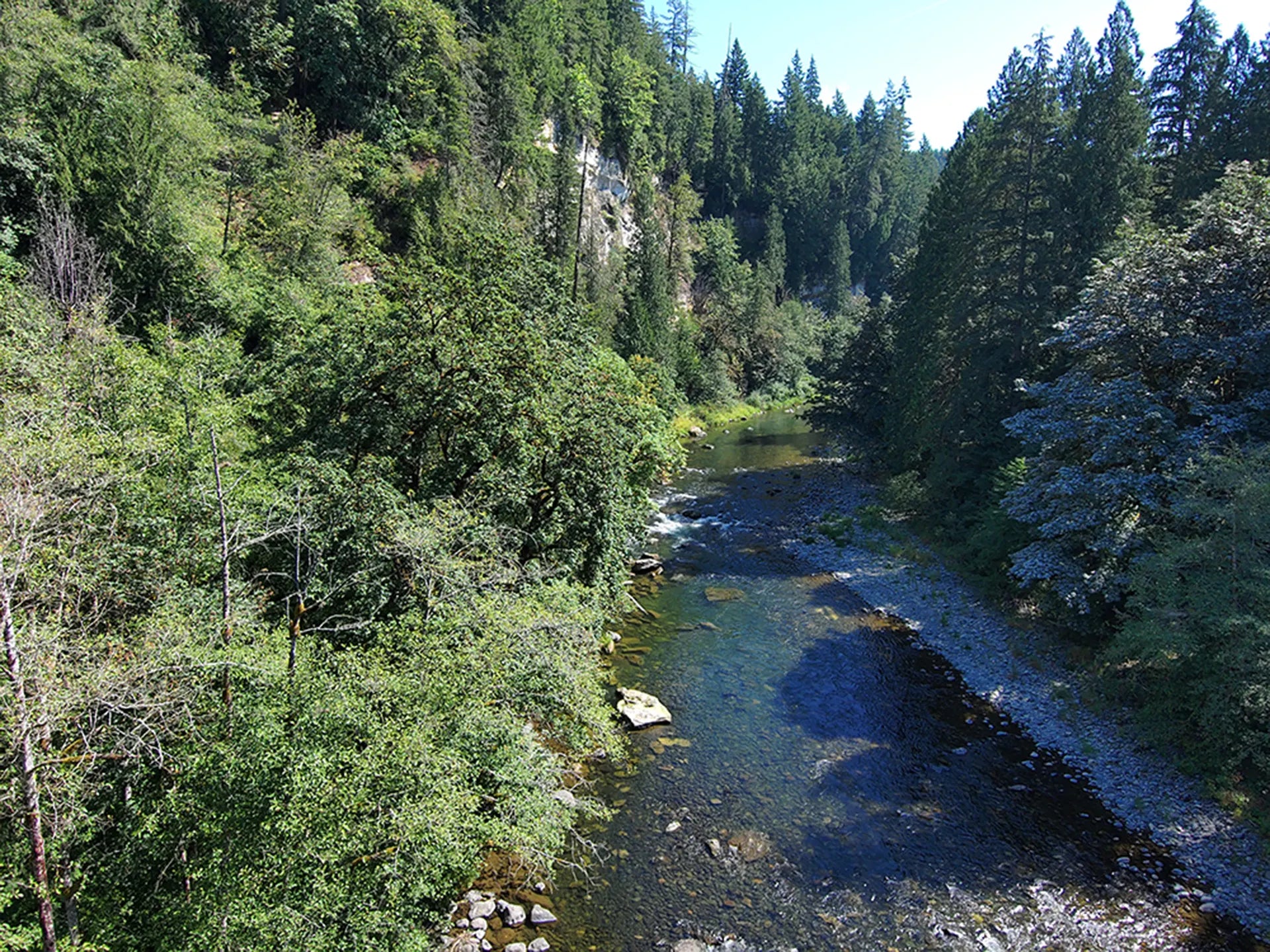
The Green River starts up in the Cascade foothills south of I-90 and flows about 65 miles down through Southeast King County before becoming the Duwamish Waterway and reaching Puget Sound. The river has two distinct moods. Upstream, through the Green River Gorge near Kanaskat-Palmer, Flaming Geyser, and Nolte State Parks, it's forested and dramatic, with basalt canyon walls rising up to 300 feet above the water. Downstream, through Auburn, Kent, and Tukwila, it opens into a broad valley with tree lined banks before turning industrial and tidal as it nears Elliott Bay near downtown Seattle.
The best part for Seattle-based anglers is how close all of this is. The lower river around Auburn and Kent is a quick 25 to 30 minute drive south on I-5 or Highway 167, making it one of the most convenient salmon and steelhead options around. The upper river and gorge, near Enumclaw and Black Diamond, are about 45 minutes to an hour away via Highway 18 or Highway 169. Whether you've got a full weekend or just a couple of hours after work, the Green is close enough to make a spontaneous trip realistic.
Green River Map
What you can catch in the Green River
The Green is primarily a salmon and steelhead river, and it's a great one to learn those fisheries on. Hatchery Chinook (king) salmon start the season, joined by strong coho and chum returns in the fall. Winter steelhead, mostly hatchery-origin, are the other big draw, concentrated in the middle and upper river. You'll also find resident and sea-run cutthroat throughout the system, plus rainbow trout in the upper stretches above the gorge. Keep an eye out for juvenile salmon and steelhead smolt in shallow water, and for protected bull trout, both need to go back in the water unharmed if hooked. Because the Green supports wild Chinook and other sensitive stocks, the rules here are detailed and can shift during the season, so it's always worth a quick check of current WDFW regulations before you head out.

Green River Fishing Seasons
Spring is a quiet season on the Green, with nearly the entire river closed to fishing in the effort of conservation, it's a good time to prepare gear for the upcoming seasons.
Summer tends to be the calm before the storm for salmon anglers, since the big fall runs haven't shown up yet. That said, lower, clearer flows make the upper river genuinely enjoyable for trout and summer steelhead fishing, with decent action in the pocket water and deeper holes above Flaming Geyser. Casting small Roostertail Spinners, Blue Fox Spinners and Little Cleo Spoons can be the ticket then.
Fall is when the Green really shows off. Chinook push into the middle river starting in late summer, coho follow with a strong fall peak, and chum join the mix by November, keeping the action going even as other runs taper off. This is the busiest stretch of the year, especially near the hatchery areas around the Highway 18 bridge in Auburn and through the lower river toward Kent. Twitching jigs for coho and drift fishing for Chinook are local favorites, and it's a fantastic season to bring a beginner along, since fish are plentiful and the learning curve is gentle. Casting plugs like Brad's Wigglers & Wiggle Warts are popular, as are Twitching Jigs and Blue Fox Spinners.
Winter is steelhead season, plain and simple. The hatchery steelhead run typically builds through the winter and peaks between December and January, with most of the action in the middle and upper river near Kanaskat-Palmer and the gorge. Conditions can turn cold, high, or off-color after storms, so it's worth checking river flow data before committing to a trip. A few chum may still be around into December, but by January this is a dedicated steelhead game, drawing anglers willing to brave the weather for a shot at a bright hatchery fish. Fish with a float & steelhead jig, swing a Steelhead Slammer Spinner or Little Cleo, or drift fish with corkies & yarn.

Upriver from Auburn, the Green River enters some beautiful forested canyons, accessible by numerous local and state parks.
Best Fishing Spots on the Green River
Kanaskat-Palmer State Park is a gorge favorite, with about two miles of shoreline and a steelhead hatchery just upstream that keeps fish stacked nearby — a reliable bet for steelhead and trout alike. Flaming Geyser State Park, a little further downstream, offers miles of river frontage, easy bank access, and a popular put-in for float trips. The pullouts along Green Valley Road fill in more of the middle river with quieter, less crowded water worth exploring. Check out O-Grady Park, Metzler Park, and Isaac Evans Park. Downstream, the stretch through Auburn, Kent, and Tukwila gives road-accessible bank fishing on the lower river, though conditions become tidal and more industrial as you near the Duwamish. Each spot has its own character, so it's worth trying a few to find the water that fits your style.

The lower Green is officially called the Duwamish River, and offers good access via numerous walking paths and parks.
Fishing on the Green River
Because the Green sits so close to several population centers, the well-known holes see real pressure, so getting there early or exploring a lesser-known pullout can make a big difference. Regulations here tend to be more detailed and more prone to in-season changes than on many other Washington rivers, largely to protect wild Chinook. Anti-snagging rules, boundary lines between the Duwamish and Green River sections, and retention limits can all shift during the year, so it's always worth checking the current WDFW regulations pamphlet, the Fish Washington app, or the emergency rules page right before you go. Whether you're casting a line for the first time or you've fished this river for years, the Green rewards a little homework with a lot of good fishing close to home.


